
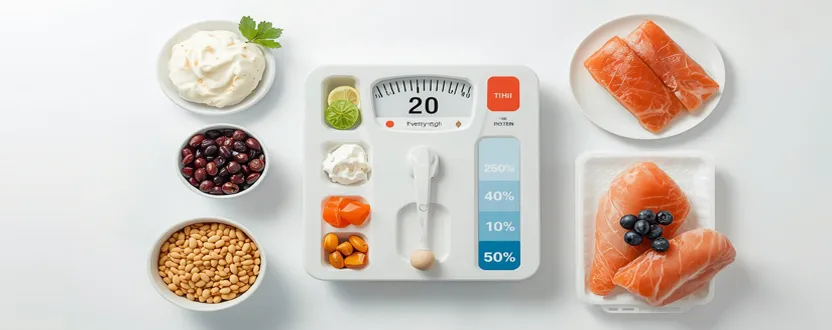
Protein is an important nutrient that your body uses for many functions, including maintaining and repairing tissues. It is also important for people who are physically active because exercise can increase the body’s need for nutrients that support recovery and muscle maintenance.
But how much protein do you actually need each day?
There isn’t one number that works for everyone. Protein needs can vary depending on factors such as body weight, age, activity level, fitness goals, and overall health.
A simple way to estimate daily protein needs is to start with your body weight and multiply it by an appropriate protein target expressed in grams per kilogram of body weight.
For example, if someone weighs 70 kg and uses a target of 1.2 grams of protein per kilogram, the calculation would be:
70 × 1.2 = 84 grams of protein per day
This provides an estimate rather than a universal prescription.
People who are less active may have different needs from those who regularly participate in strength training or endurance activities.
How to Calculate Your Daily Protein Needs
The basic calculation is:
Daily Protein = Body Weight (kg) × Protein Target (g/kg)
First, determine your body weight in kilograms.
If you know your weight in pounds, you can convert it to kilograms by dividing the number of pounds by approximately 2.205.
For example:
154 pounds ÷ 2.205 ≈ 70 kg
Once you have your weight in kilograms, you can select a protein target appropriate for your circumstances.
For example, using a hypothetical target of 1.2 g/kg:
70 kg × 1.2 g = 84 g protein
If another person weighs 80 kg and uses the same target:
80 × 1.2 = 96 g protein
The result changes because body weight is different.
Your activity level can also influence the target you choose. Someone who performs regular resistance training may have different protein requirements from someone who is mostly sedentary.
Your goal matters too.
Someone trying to maintain their current nutrition pattern may approach protein differently from an athlete focused on training and recovery.
This is why online protein calculators should be treated as estimation tools, not medical advice.
👉 🧮 Calculators — Smart Utility AI Calculators
If Smart Utility AI later adds a dedicated Protein Intake Calculator, this article would be an excellent page to connect directly to it.
Why Body Weight Isn’t the Only Factor
Body weight provides a useful starting point, but it isn’t the only consideration.
Two people with the same body weight can have very different lifestyles and nutritional needs.
For example, a person who spends most of the day sitting may have different protein needs from someone who trains several times each week.
Age can also be relevant. Nutritional requirements can change throughout life, and older adults may have different considerations when it comes to maintaining muscle and overall nutrition.
Health circumstances can matter as well.
People with certain medical conditions or specific dietary restrictions may need individualized nutritional guidance.
For that reason, a general online calculation should not replace advice from a qualified healthcare professional when personalized guidance is needed.
How to Reach Your Daily Protein Target
Once you have an estimated daily protein target, the next challenge is getting enough protein through normal meals.
Protein can come from a wide variety of foods.
Common protein sources include:
– Eggs
– Fish
– Chicken
– Lean meats
– Greek yogurt
– Milk
– Cottage cheese
– Beans
– Lentils
– Chickpeas
– Tofu
– Nuts and seeds
You don’t necessarily need to consume all your protein in one meal.
Many people find it easier to distribute protein across breakfast, lunch, dinner, and snacks.
For example, rather than trying to consume most of your daily protein at dinner, you could include a protein source in several meals throughout the day.
Meal planning can also make it easier to stay consistent.
You could start by identifying the main protein source for each meal and then add vegetables, whole grains, fruits, or other foods according to your nutritional needs and preferences.
It’s also worth remembering that protein is only one part of a balanced diet. Overall food quality, calories, carbohydrates, fats, fiber, vitamins, minerals, hydration, and other factors can also matter.
If your goal is fitness or muscle development, protein should be considered alongside an appropriate training program and overall nutrition strategy.
Frequently Asked Questions
1. How do I calculate my daily protein needs?
A simple estimation method is to multiply your body weight in kilograms by a chosen protein target in grams per kilogram. For example, 70 kg × 1.2 g/kg equals 84 grams of protein per day.
2. Does body weight determine how much protein I need?
Body weight is an important starting point, but it isn’t the only factor. Activity level, age, fitness goals, and individual circumstances can also influence protein needs.
3. Do active people need more protein?
People who regularly exercise may have different protein requirements from sedentary individuals, particularly when training involves significant muscle use. The appropriate amount depends on the type and amount of activity and individual circumstances.
4. Can I get enough protein without supplements?
Yes. Many people can obtain protein from ordinary foods such as eggs, dairy products, fish, meat, beans, lentils, tofu, nuts, and seeds. Whether supplementation is useful depends on individual dietary needs and preferences.